 0117 9381 600


Shackles look simple, but the wrong type can create side loading, pin rotation, or unnecessary downtime. The guide below covers the most common types of shackles for rigging and work at height, what jobs they're best suited for, and when to choose one style over another. If you're also checking load terminology and ratings, pair this with our WLL vs SWL explainer.
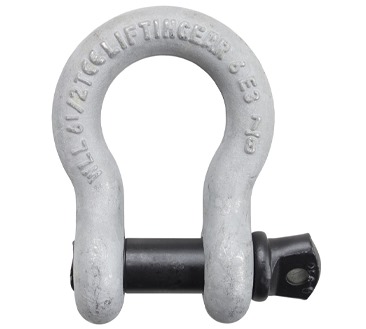
Bow Shackles: best for multi-leg and angled lifts
A bow shackle (sometimes called an anchor shackle) has a rounded body that gives more room for sling eyes and multiple connections. If your lift involves angle changes or more than one attachment point, bow shackles are often the safer, more forgiving option.
Best suited for: construction lifts with multi-leg slings, entertainment rigging where angles vary, and general lifting where clearance matters.
BROWSE BOW SHACKLES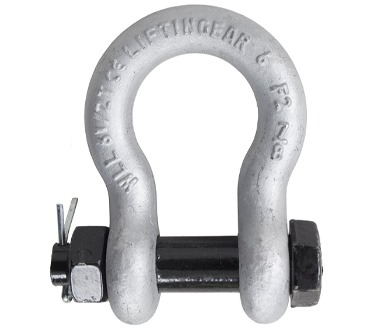
Dee Shackles (D Shackles): best for straight-line pulls
A D shackle (or Dee shackle) has a narrower profile designed to keep the load aligned. That makes it a strong choice for straight pulls where you want to minimise movement, especially when connecting chain or a single sling leg to a fixed point.
Best suited for: single-leg lifts, straight-line tension, workshops, plant maintenance, and general lifting where alignment is predictable.
BROWSE DEE SHACKLES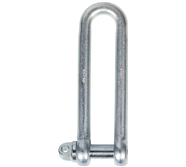
Piling Shackles: built for heavy-duty construction
Piling shackles are designed for tougher lifting tasks typically seen in civil engineering, groundworks, and infrastructure projects. Commonly chosen when lifts are repetitive, dirty, or exposed to harsh site conditions where robustness and secure fit-up matter.
Best suited for: piling and groundworks, heavy construction lifts, and site applications where standard shackles may be more prone to damage or misalignment.
BROWSE PILING SHACKLES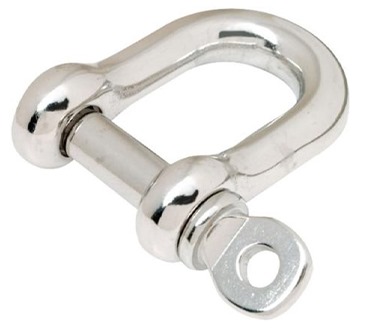
Stainless Shackles: for corrosion-prone environments
Stainless steel shackles are a practical choice when corrosion resistance is the priority, especially in marine settings, coastal works, wash-down areas, or food-related environments. They won't replace alloy shackles for every heavy lift, but can be the right call when rust is the risk driver. Always check the rated WLL/SWL.
Best suited for: marine and offshore support tasks, coastal maintenance, and environments where frequent moisture exposure or hygiene requirements apply.
BROWSE STAINLESS SHACKLESScrew Pin vs Safety Pin: choose based on vibration and access
Many people think "shackle types" only means bow vs Dee. In practice, the pin style matters just as much. A screw pin shackle is fast to install and ideal for temporary or frequently changed connections.
Screw pin: fast to fit, best for connections that are regularly checked and don't see sustained vibration.
VIEW ALL SCREW PIN SHACKLESSafety pin (bolt-type): the nut-and-bolt or cotter pin assembly resists backing out under vibration or rotation. Preferred where the connection is left in place, hard to access once installed, or sees dynamic loads.
Rule of thumb: if the connection will be left in place, sees vibration, or is difficult to access once installed, lean toward a safety pin/bolt-type option.
Industry Standard Hardware
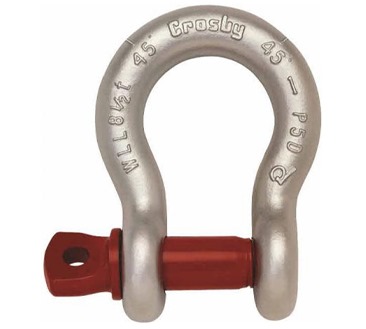
Crosby Shackles
A globally recognised standard in lifting hardware, trusted across construction, oil & gas, and marine sectors. Forged construction, clear WLL markings, and consistent performance across bow and dee shackle ranges.
VIEW ALL CROSBY SHACKLES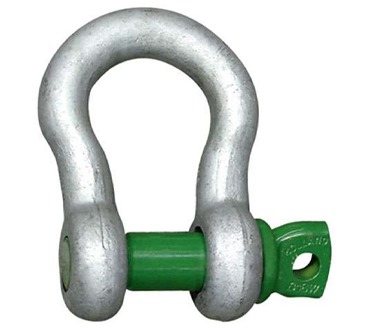
Green Pin Shackles
Manufactured in the Netherlands to stringent quality standards. Widely specified in offshore, industrial, and heavy rigging applications where safety, performance, and full traceability are non-negotiable.
VIEW ALL GREEN PIN SHACKLESFrequently Asked Questions
1) What are the main shackle types?
The most common types are bow shackles and Dee (D) shackles, typically with either screw pins or safety pin/bolt-type pins. For specialised jobs, piling shackles or stainless steel options are used depending on the site environment.
2) Bow shackle vs. Dee shackle?
Use a bow shackle when you need room for multiple sling eyes or angled loading. Use a Dee shackle for straight-line pulls where you want the connection to stay strictly aligned.
3) Safety pin vs. Screw pin?
If vibration is likely or the connection is hard to access, use a safety pin/bolt-type. Screw pins are preferred for quick, temporary connections that are checked frequently.
4) Why choose piling shackles?
Piling shackles are built for heavy-duty groundworks where lifts are repetitive and conditions are harsh. They offer better durability and secure fit-up than standard shackles in these environments.
5) Is stainless steel safe for heavy lifting?
Yes, provided you check the rated WLL. Stainless is chosen primarily for corrosion resistance in marine and hygiene environments where rust is a safety risk.
6) Crosby vs. Green Pin?
Both are premium, trusted brands. Crosby is the global standard in oil & gas. Green Pin (Netherlands) is widely specified for offshore traceability. Both are fully certified with clear WLL markings.
Need help selecting the correct shackle? Share the job type, lifting configuration, and load, and our team will guide you.

