 0117 9381 600


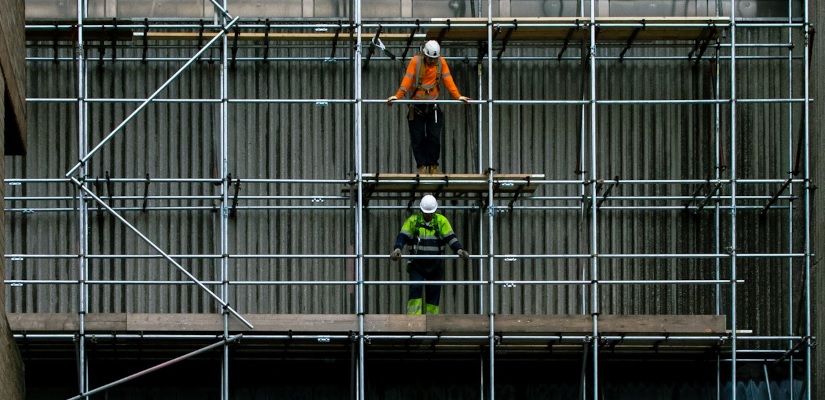
Working on scaffolding can be very dangerous if the correct precautions haven't been taken. Deadly outcomes are sadly not rare; just this month, a Yorkshire-based scaffolding company was fined £16,000 for safety failings that led to a fatal fall.
Trainee scaffolder Michael Swales was erecting scaffolding when he stood on an unsecured board and fell 5 metres to his death. Investigations carried out by the Health & Safety Executive (HSE) found that:
- Safe zones had not been established
- Guardrails had not been installed where needed
- Mr Swales and his colleague were working without safety harnesses and lanyards
Ask Scaffolding Ltd ended up pleading guilty to breaching The Work at Height Regulations 2005. The company was fined £16,000 and ordered to pay £8,000 in costs (plus a £2,000 victim surcharge) at Leeds Magistrates' Court on 4th November 2026.
If you're in charge of work that involves scaffolding, there are certain steps you must take in order to protect your workers. Neglect your safety responsibilities and you might end up in court too.
Preventing falls with collective protections
The HSE's working at height guidance sets out a very clear hierarchy for fall protection measures:
- AVOID working at height entirely if there's another reasonably practical way to get the job done.
- If work at height cannot be avoided, focus on PREVENTING falls (e.g. by installing guardrails).
- If there's no reliable way to prevent falls, take steps to MINIMISE the distance and consequences of any falls that might occur (e.g. by setting up soft landing bags or by providing suitable fall arrest equipment for each worker).
At every stage, COLLECTIVE protections should be prioritised over PERSONAL protections. Guardrails, for example, protect everyone on the railed platform, whereas a safety harness only protects the individual who's wearing it.
When working on scaffolding, you should ideally aim to provide collective fall prevention by establishing 'safe zones'.
What is a safe zone?
SG04:22 Preventing Falls in Scaffolding Operations – a piece of guidance published by the National Access & Scaffolding Confederation (NASC) – describes a scaffolders' safe zone as "a form of collective fall protection utilising platforms and guardrails". The minimum requirements for a safe zone are:
- A correctly boarded and supported platform, with no gaps that a person could fall through
- A single main guardrail installed at least 950mm above the platform at points where a fall could occur
When to use harnesses and lanyards
The NASC guidance notes that personal protections like harnesses and lanyards"will still be required at some point" in most jobs involving scaffolding.
For example, it may not be possible for workers to remain within a safe zone when erecting or dismantling a scaffold, in which case they "must remain continually clipped on to a suitable anchor point" while there exists a risk of falling.
Other essential scaffolding precautions
As laid out in the HSE's scaffolding guidance, the following measures are also required for safe scaffold work:
- Competent workers and supervision. Scaffolding should only ever be designed, erected, used, modified and dismantled by competent people. Trainees must always work under the supervision of a trained, competent scaffolder.
- A sturdy structure. Make sure the scaffold is on a firm, level foundation and that it's been properly stabilised, ideally by being braced or tied to a permanent structure. All parts should be undamaged, and the completed scaffold must be capable of supporting the intended load – including all workers plus any additional weight that may come in the form of tools, building materials, etc.
- Regular inspections. The scaffold must be inspected by a competent person before its first use, then repeatedly inspected at intervals of no more than seven days. It should also be inspected after any event that might affect its stability (e.g. high winds).
Here at Safety Liftin Gear, we supply a range of scaffold harnesses and other items that can be used to protect workers from potentially deadly falls. For example, our best-selling scaffold harness kit includes a full body harness, a shock absorbing lanyard and a drawstring kit bag for storage.

