 0117 9381 600



While load restraint may seem simple enough – after all, all you need to do is keep your loads secure while transporting them from A to B - we still see far too many instances of half-hearted load restraint, which all too often results in a scene like this:
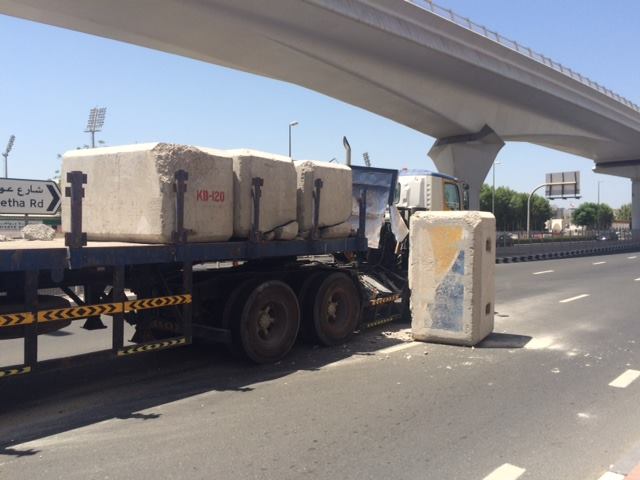
So, other than possible damage to your stock, what are the impacts of improper load restraint and how can you ensure that your goods are secured properly before you start your journey? This load restraint guide will explain everything you need to know.
Risks of Improper Load Restraint
- Vehicle Instability: If your load is moving around during transport, it can change the vehicle’s centre of gravity which can seriously impact the vehicle handling, increasing the risk of roll overs.
- Road Hazards: If an unsecured item falls onto the road, it can create a dangerous distraction and obstruction for other drivers and pedestrians leading to collisions.
- Injury and Death: Unsecured cargo can become high-speed projectiles during crashes, seriously injuring or even killing the driver and passengers. Plus, cargo falling off a vehicle can cause serious injury and death for other road users.
- Unloading Dangers: A load that has moved during transit can also pose a risk to whoever is unloading.
- Loss of Stock: If you fail to secure your stock and it becomes damaged, this could be expensive for your company to replace.
- Prosecution and Fines: Driving with an insecure load can be classified as dangerous driving and lead to serious criminal charges, penalty points and fines, particularly in cases involving serious injury or death.
How to Ensure Your Loads Are Secure
1. Use the Right Ratchet Straps:
When selecting ratchet straps for your load, it is crucial that you take both the lashing capacity and minimum breaking strength into consideration so that you can ensure the products you are using are suitable for the task at hand.
What is lashing capacity? Lashing capacity refers to the maximum tension a strap or chain can safely withstand in normal use without damage and indicates the strap’s safe working limit for restraining cargo, NOT its breaking point.
What is minimum breaking strength? Maximum breaking strength is the absolute maximum force a material or product can withstand once under ideal test conditions before it fails or snaps. You should never apply a load near the breaking strength in real-world applications.
2. Select Your Fittings:
Once you are sure that you have selected the correct lashing straps, you will need to decide what kind of fitting is best for your task e.g. claw hooks, delta links or rave hooks. To do this, you will need to consider which fittings are compatible with the anchor points and environment in your vehicle and ensure that whichever fittings you choose are suitable for your load weight.
3. Attach and Secure:
Now that you have all the equipment you need, it is crucial that you ensure all straps are properly attached and secured before you set off - even the very best load restraint products are useless if not properly used!
4. Consider Alternative Measures:
Ratchet lashings are the preferred method of load restraint, but you may benefit from using other products such as bungee cords, loadbinders, and cargo bars to make absolutely sure that nothing is going anywhere.
In a nutshell, our advice is this: assess your loads properly, choose an appropriate load restraint method (or methods) for the job, and ensure that everything has been properly secured before beginning your journey.
To view our range of load restraint equipment here at SafetyLiftinGear, click the button below.

