 0117 9381 600


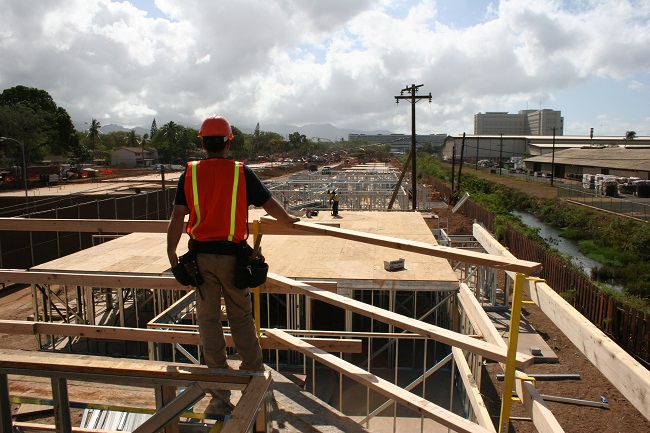
Recently, two more news stories have come to our attention which highlight the importance of implementing proper health and safety procedures, particularly when working at height.
The first of these concerns Wayne Morgan, a scaffolder from Castleford who has been prosecuted following the death of one of his workers. It was revealed in court that the accident occurred due to an incorrect use of scaffolding edge protection, which left a gap for the individual to fall through and fatally injure himself. The employer was subsequently sentenced to 200 hours of unpaid work, and was ordered to pay £15,000 in costs, having breached Regulation 8(a) of the Work at Height Regulations.
A demolition company in Glasgow has also experienced similar circumstances in recent times, after a 50-year-old worker fell when carrying out work from a mobile scaffolding platform. A cable tray swung and hit the worker, causing him to fall five feet from the platform he was working on, and fracture both his right elbow and left arm. The platform had not been put together properly and was missing several essential items, made worse by the fact that no proper risk assessment or inspection had been performed before use. The company in question, DSR Demolition, were subsequently fined £5,000 for breeching Regulation 6(3) of the Work at Height Regulations.
Accidents at work are terrible for both the companies concerned as well as their employees, often causing lasting and unrepairable damage to the lives of those involved. Employers who are found guilty of workplace negligence not only have to deal with the legal implications of their actions, but also with the guilt that comes with bearing responsibility for causing the accidents. They also have to accept that their company may suffer long-term reputation issues following the events, which in the worst scenarios could lead to them ceasing to work in their profession altogether.
For employees and their families, the consequences could be worse still, resulting in serious injury and in the worst cases, death. As illustrated in the story above, even short falls can be dangerous, making it impossible for the victims to return to work for a period of time due to their physical and psychological trauma.
In order to prevent situations like the examples mentioned above, it is vital that employers follow a short list of simple procedures:
- Provide the correct height safety equipment for specific jobs, ensuring that all factors have been taken into account.
- Ensure that all equipment is regularly tested and is suitable for use.
- Conduct proper risk assessments and make sure that all staff are properly briefed on safety procedures.
We provide a large number of height safety solutions here at SafetyLiftinGear, all of which are intended to provide maximum protection whilst working at height. To see our full range, click here.

