 0117 9381 600


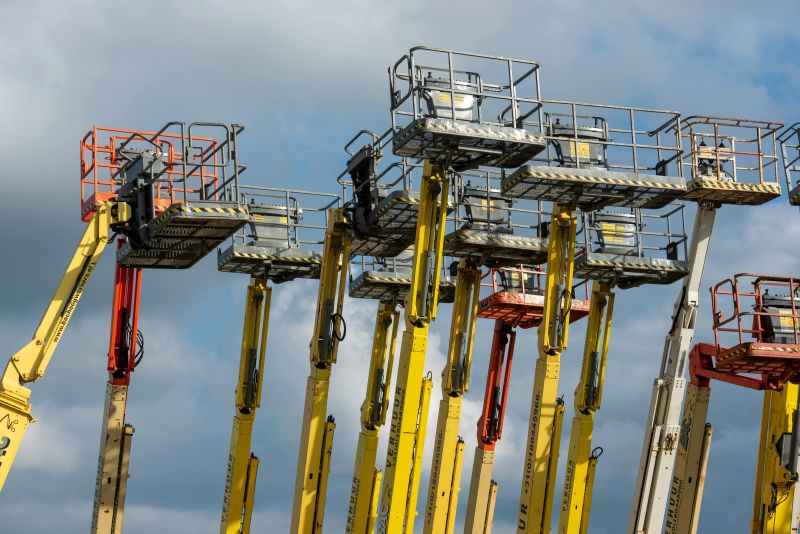
MEWPs (mobile elevated working platforms), also known as powered access platforms, are essential tools for working at height, commonly used in industries like construction, cleaning and maintenance. They provide a secure, elevated working platform that is more mobile and stable than traditional ladders or scaffolding.
However, falls from MEWPS remain one of the most serious risks associated with their use. This is why understanding MEWP safety hazards and how to control them is crucial for protecting workers from serious accidents. Keep reading this blog to learn how you can reduce the risk of falling from MEWPs.
1. Select the right MEWP for the job and site
In order to select the right mobile platform for your job, you will need to carry out a through risk assessment of the jobsite, specific tasks and site constraints to ensure safety, efficiency and compliance. Key factors to consider include the maximum working height, required outreach, safe working load (of both operators and tools), site terrain and power source.
2. Have a rescue plan in place
Having a MEWP rescue plan in place is essential to save lives, reduce risk and ensure a prompt, controlled response if a machine fails. The rescue plan should cover everybody’s roles and responsibilities, the methods of rescue and procedures for alerting emergency services if necessary.
3. Ensure all workers are trained
All MEWP operators should have attended formal training for the type of MEWP they are using and all rescue equipment that could be used.
4. Stay up-to-date with daily visual checks and regular inspections
All check and serving schedules should be established in accordance with the manufacturer’s instruction and the risks associated with each MEWP. Operators should be encouraged to report defects or problems and any defective MEWPs should immediately be taken out of service.
5. Check the weather
High winds can tilt work platforms and make them unstable, which is why MEWP work should be avoided in windy conditions. Set a maximum safe wind speed for operation and ensure that you thoroughly inspect the platform before use after severe weather.
6. Make sure you have a level base
MEWPs placed on uneven or soft ground can be more prone to tipping. This is why outriggers should be used to stabilise the machine and increase its footprint so that there is a level base for operation. It is also important to check the equipment manual and see if spreader plates are also necessary.
7. Install guardrails
Guardrails act as the main, collective fall protection system, preventing occupants from falling from the platform at height. In the event of a collision or abrupt movement, the guardrails help keep the operator inside the platform, mitigating the ‘catapult effect’ often associated with boom lifts.
8. Use a lanyard and fall arrest harness
If there is still a risk of people falling from the platform, a fall arrest harness with a short work restraint lanyard must be secured to a suitable manufacturer provided anchorage point within the basket. This should stop the worker from getting into a position where they could fall from the carrier.
Alternatively, you can buy our MEWP Safety Harness Kit that comes with a fully body safety harness and restraint lanyard.
There you have it! By following these 8 MEWP safety tips, you could help prevent fatal accidents, ensure legal compliance and increase operational efficiency.
Use the button below to browse our other height safety equipment and don’t hesitate to get in touch if you have any questions about MEWP safety!

