 0117 9381 600


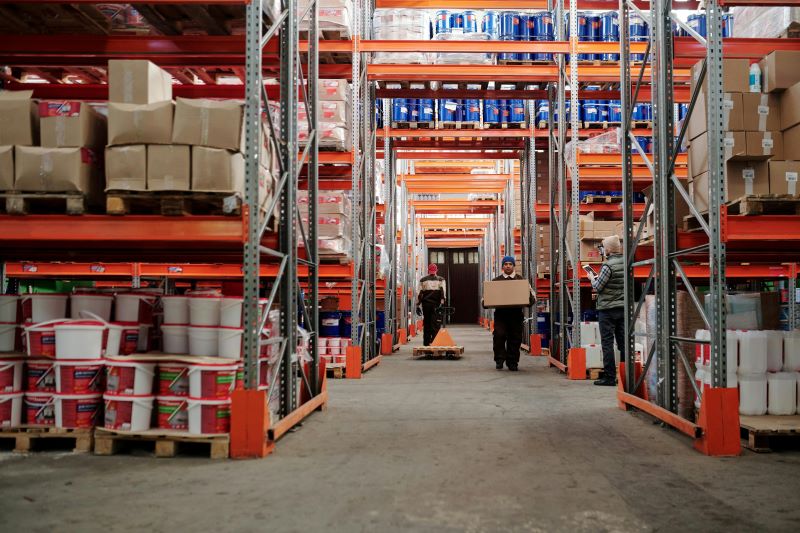
The TILE principle is a health and safety framework that's used to assess risks during manual handling tasks. TILE stands for Task, Individual, Load and Environment – four key areas that you should consider carefully before commencing any manual handling job.
The TILE framework helps to prevent manual handling injuries by making sure that the worker evaluates the job, person, object and surroundings before they lift. Read on for a breakdown of each part of the TILE principle.
The 4 TILE Components
Task (T)
This first section of the framework involves assessing the specifics of the task and evaluating what sort of physical effort it's likely to require. Will the task involve lifting, lowering, pushing, pulling or carrying? Will it necessitate twisting or excessive repetitive movement? Analysing the task in this manner will help you identify any potential hazards and decide whether a manual lift is safe or if mechanical aids (like a hydraulic jack, pallet truck or hoist) should be used instead.
Individual (I)
The second section of the framework is about assessing the capabilities of the person performing the task. Are they physically strong enough? Have they had appropriate training? Do they have any pre-existing health conditions? By assessing these areas, you can ensure that the individual is well-suited and appropriately trained for the lifting task, which in turn helps to minimise injury risks and boost efficiency.
Load (L)
This third section involves evaluating the actual object(s) being moved – including weight, size, stability, shape and whether the load is hot, cold, sharp or hard to grip. If the load has a shifting centre of gravity or an odd shape, or if your view would be obstructed while carrying it, it is recommended that you use material handling equipment instead of moving the load manually. This assessment of the load's characteristics is crucial for assessing risk and determining the safest, most efficient way forward.
Environment (E)
This final part of the TILE principle is all about assessing your surroundings and thinking about where the manual handling will occur. This includes evaluating factors like space constraints, flooring, lighting and temperature – all of which might impact worker safety. By assessing the work environment properly, you can ensure that all manual handling activities are performed under safe, optimal conditions.
Using the TILE framework to assess risk is a great first step towards ensuring that all proper precautions are taken during manual handling operations. This will help to prevent injuries and keep workers safe.
If your TILE assessment indicates that you should use lifting equipment instead of transporting the load yourself, don't worry! Here at SafetyLiftinGear, we stock a wide range of heavy-duty material lifting equipment, so you're sure to find whatever you need on our website.
Shop Material Handling Equipment
If you have any questions about the TILE principle or our range of lifting and handling equipment, please feel free to contact the SafetyLiftinGear team today!

