 0117 9381 600


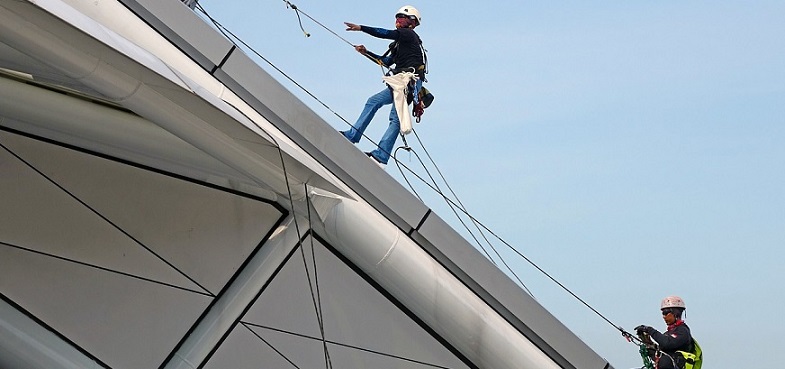
There have been many instances all over the world of experienced workers falling to their deaths or becoming severely injured as a result of faulty safety equipment. No matter how experienced you think you are when it comes to working at height, it is crucial for both the safety of yourself and those around you that you thoroughly inspect your safety harness and equipment before use.
To help you out, this blog will explain how to inspect a safety harness step-by-step! Let’s get started.
Pre-Use Checks
There are several different types of safety harness inspection, all of which are essential in their own way.
A quick, visual and tactile check known as a ‘pre-use check’ should be performed by the user before each and every use of a safety harness. The key components of a pre-use safety harness inspection include:
- Label: You will need to verify that the labels and inspection tags are present and legible and that the harness is within its service life.
- Webbing: Run your hands along the webbing to feel for any signs of damage like cuts, abrasions, burns, chemical damage or excessive fading and discolouration.
- D-Rings: Inspect for rust and distortion.
- Buckles: Ensure that the buckles and all other hardware are not cracked, bent or corroded. Operate all buckles to ensure they function properly and lock securely.
- Straps: Hold the harness by the dorsal D-ring, shake it to untangle, and inspect all straps for fraying, loose stitching and broken fibres.
- Shock Absorber: Examine for signs of deployment, cuts or damage.
If you spot any of these signs of damage, the harness must be removed from service immediately, tagged “Do Not Use” and reported to a supervisor.
Detailed Inspections
A detailed, formal inspection should be carried out by a trained, competent person every 6 months at a minimum to confirm that the equipment is safe and meets regulatory standards. These detailed inspections should be systematic, in-depth and documented, with mandatory written reports of any findings and defects. Due to the in-depth nature of these checks, they often involve testing and disassembly.
If a harness is subjected to heavy use or is often used in harsh conditions, a detailed inspection should be conducted every 3 months.
By following the safety harness inspection steps above, you will no doubt reduce the likelihood of accidents occurring when working at height.
Here at SafetyLiftinGear, we strive to make working conditions as safe as possible by providing the highest quality safety equipment available. If you work at height often and require new, quality equipment that will ensure your safety, then why not check out our collection of safety harnesses?
If you would like more information on our range of safety harnesses, any individual product or how to inspect a safety harness before use, then please do not hesitate to contact a member of our team today!

